

Clinical Guidelines for Non-Invasive Muscle Toning and Fat Reduction
1. Introduction: Why Treatment Protocols Define Body Contouring Outcomes
Non-invasive body contouring has transitioned from isolated, device-centered treatments to integrated, protocol-driven aesthetic programs. While technology continues to evolve, clinical outcomes are increasingly determined by how treatments are structured, sequenced, and adapted over time, rather than by equipment alone.
Body contouring treatment protocols provide a standardized yet flexible framework for delivering consistent, safe, and effective non-invasive body shaping results. Instead of focusing on brands or fixed parameters, protocols emphasize physiological response, tissue interaction, and progressive adaptation.
This page presents a comprehensive set of body contouring treatment protocols designed for professional aesthetic practices, including medical spas, body sculpting clinics, and wellness centers offering non-invasive muscle toning and fat reduction solutions.
2. Core Principles of Body Contouring Protocol Design
2.1 Individualized Treatment Planning
Effective body contouring begins with an individualized assessment. Patients differ in body composition, muscle tone, metabolic response, and recovery capacity. Protocols should account for:
- Distribution and thickness of subcutaneous fat
- Baseline muscle condition and strength
- Lifestyle factors influencing recovery and adaptation
While the protocol framework remains standardized, treatment execution should be personalized to ensure safety and optimize outcomes.
2.2 Technology-Driven, Not Brand-Driven Protocols
Clinical protocols should be based on energy mechanisms, not device branding. Whether a system delivers electromagnetic stimulation, radiofrequency energy, or a combination of technologies, protocol design must consider:
- How energy interacts with target tissue
- Depth and uniformity of penetration
- Expected biological and metabolic response
This approach ensures clinical consistency across platforms and long-term scalability.
2.3 Progressive and Cyclical Treatment Logic
Non-invasive body contouring relies on stimulation, recovery, and adaptation. Effective protocols follow a cyclical structure:
- Initial conditioning phase
- Progressive intensification phase
- Maintenance and optimization phase
This progression supports neuromuscular adaptation, metabolic activation, and sustainable aesthetic improvement.
3. Technology-Based Body Contouring Treatment Protocol Categories

3.1 Electromagnetic Muscle Stimulation–Focused Protocols
Electromagnetic muscle stimulation protocols are designed to activate superficial and deep muscle fibers through high-intensity involuntary contractions.
Primary objectives
- Improve muscle tone and firmness
- Recruit deep muscle fibers
- Enhance structural muscle support and lifting
Protocol logic
- Utilize supramaximal contractions to bypass voluntary neuromuscular limits
- Schedule adequate recovery to prevent cumulative fatigue
- Progressively adjust intensity as neuromuscular adaptation occurs
These protocols are particularly effective in areas where deep muscle engagement is essential for visible contour improvement.
These protocol principles are based on how electromagnetic fields interact with neuromuscular tissue at different depths. A deeper understanding of electromagnetic muscle stimulation technology helps clarify how supramaximal contractions are generated and controlled in professional body contouring systems.
3.2 RF-Based Fat Reduction Protocols
Radiofrequency-based protocols focus on controlled thermal stimulation of subcutaneous tissue to support fat remodeling and tissue tightening.
Primary objectives
- Reduce localized fat volume
- Improve skin firmness and texture
- Enhance local metabolic activity
Protocol logic
- Deliver gradual thermal exposure within clinically safe ranges
- Use multiple sessions to sustain metabolic response
- Support recovery with appropriate post-treatment care
RF protocols may be applied independently or integrated into combination programs.
The effectiveness of these protocols depends on controlled thermal exposure and tissue response. This process is explained in more detail within the RF fat reduction mechanism, which outlines how radiofrequency energy supports adipose remodeling and skin tightening.
3.3 Combined RF and Electromagnetic Muscle Stimulation Protocols
Combined protocols integrate muscle activation and fat reduction within a single treatment strategy.
Primary objectives
- Simultaneous muscle toning and fat management
- Enhanced body contour definition
- Improved treatment efficiency
Protocol logic
- Muscle activation increases local metabolic demand
- RF thermal energy supports adipose tissue response
- Sequential or synchronized energy delivery creates synergistic effects
This combined approach is widely used in comprehensive body contouring programs.
4. Area-Based Body Contouring Treatment Protocols
4.1 Abdominal Body Contouring Protocols
Abdominal protocols prioritize deep core muscle activation while addressing subcutaneous fat.
Key considerations
- Engagement of deep stabilizing muscles
- Balanced intensity to avoid excessive fatigue
- Cyclical treatments to enhance waistline definition
Abdominal protocols often serve as the foundation of full-body contouring programs.
Because abdominal contouring relies heavily on deep core muscle engagement and treatment sequencing, these principles are further expanded in our abdominal body contouring treatment protocols, which focus specifically on waistline shaping and core stabilization.
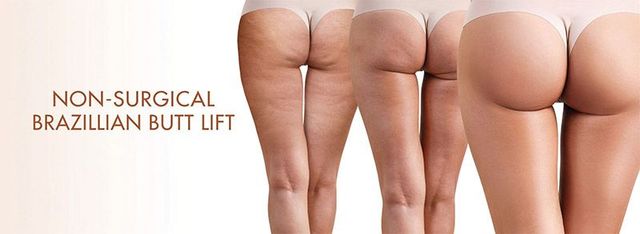
4.2 Gluteal Body Contouring Protocols
Gluteal protocols emphasize muscle lifting, firmness, and shape enhancement.
Key considerations
- Symmetrical muscle recruitment
- Gradual intensity progression
- Shape-focused treatment planning
Electromagnetic muscle stimulation–focused protocols are particularly effective in this region.
4.3 Thigh Body Contouring Protocols
Thigh contouring requires coordinated management of muscle and fat tissue.
Key considerations
- Combination protocols for comprehensive results
- Attention to circulatory and lymphatic response
- Even energy distribution across larger treatment areas
Similar protocol logic applies to muscle-focused shaping in other body areas, such as gluteal treatments, which are addressed in our glute body contouring protocols with emphasis on lifting and symmetry.
4.4 Arm Body Contouring Protocols
Arm protocols target smaller muscle groups and require precise energy control.
Key considerations
- Lower initial intensity levels
- Gradual adaptation to stimulation
- Emphasis on firmness and tone rather than volume
5. Session Structure and Treatment Parameter Logic
5.1 Session Duration Logic
Session duration should be determined by:
- Muscle fatigue thresholds
- Treatment efficiency
- Patient tolerance
Extending session length beyond optimal limits does not necessarily improve outcomes and may hinder recovery.
5.2 Treatment Frequency Guidelines
Effective protocols balance stimulation with recovery.
General scheduling logic
- Initial phase: higher frequency to initiate neuromuscular activation
- Progressive phase: optimized spacing to support adaptation
- Maintenance phase: reduced frequency to preserve results
5.3 Treatment Cycle Design
Most body contouring protocols are delivered in multi-session cycles rather than single treatments.
Typical cycle structure
- Conditioning phase
- Progressive intensification phase
- Stabilization and maintenance phase
6. Patient Selection and Protocol Customization
6.1 Suitable Candidate Profiles
Ideal candidates generally present:
- Stable body weight
- Realistic treatment expectations
- No contraindications to energy-based therapies
6.2 Adjustments for Different Body Types
Protocols should be adapted based on body composition:
- Lean with low muscle tone
- Fat-dominant profiles
- Muscle-dominant profiles
Customization ensures safety and maximizes treatment effectiveness.
7. Safety, Contraindications, and Best Practices
7.1 General Safety Principles
- Gradual intensity escalation
- Continuous patient feedback
- Conservative initiation of treatment programs
7.2 Contraindications Overview
- Implanted electronic devices
- Graviditet
- Certain acute or chronic medical conditions
Comprehensive screening is essential prior to treatment.
7.3 Operator Training and Protocol Adherence
Consistent outcomes depend on:
- Proper operator training
- Accurate protocol execution
- Ongoing evaluation and adjustment
8. Integration into Comprehensive Body Contouring Programs
In modern aesthetic practice, electromagnetic muscle stimulation and RF-based treatments are often integrated into comprehensive body contouring solutions that combine muscle activation, fat reduction, and supportive therapies.
Integrated programs offer:
- Improved treatment efficiency
- Higher patient satisfaction
- Longer-lasting aesthetic results
9. Protocol Evaluation and Outcome Optimization
9.1 Monitoring Treatment Response
- Visual contour changes
- Muscle firmness and tone
- Patient comfort and feedback
9.2 Protocol Adjustment Strategies
Protocols should be refined when:
- Treatment response plateaus
- Fatigue indicators emerge
- Specific areas require additional focus
Continuous optimization maintains clinical value over time.
10. Conclusion: Protocols as the Foundation of Effective Body Contouring
Body contouring treatment protocols form the structural foundation of modern non-invasive aesthetic programs. By prioritizing physiological response, energy–tissue interaction, and progressive adaptation, standardized protocols deliver consistent, safe, and effective outcomes.
Successful body contouring is not defined by a single device or session, but by well-designed, clinically informed treatment protocols that integrate muscle toning, fat reduction, and long-term maintenance into a cohesive system.