
I. Pendahuluan
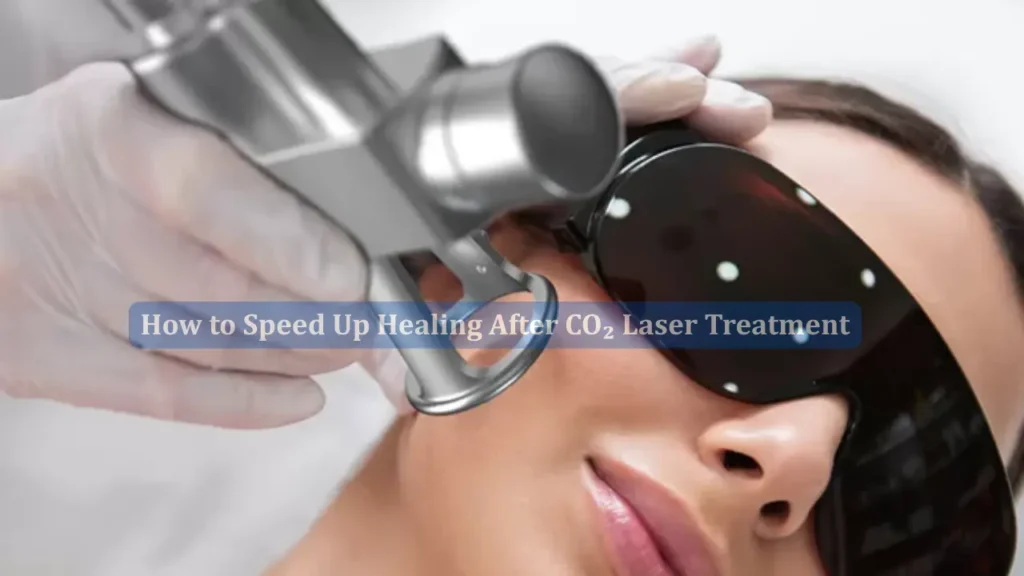
pelapisan ulang laser CO₂ adalah perawatan peremajaan kulit berstandar emas yang menggunakan energi laser karbon dioksida pekat untuk menghilangkan lapisan kulit rusak secara tepat dan merangsang regenerasi kolagen. Tergantung pada pendekatan pengobatannya, ini dapat dilakukan sebagai laser CO₂ sepenuhnya ablatif, yang menghilangkan seluruh lapisan permukaan kulit di area yang dirawat, atau laser fraksional CO₂, yang menciptakan zona termal mikroskopis sambil membiarkan jaringan di sekitarnya tetap utuh untuk mempercepat penyembuhan. Kedua metode ini sangat efektif untuk mengatasi kerutan, bekas jerawat, ketidakteraturan tekstur, dan kerusakan akibat sinar matahari—tetapi keduanya juga menyebabkan cedera kulit terkontrol sehingga memerlukan penanganan pemulihan yang tepat.
Perawatan setelahnya yang tepat sangat penting karena kecepatan dan kualitas penyembuhan secara langsung mempengaruhi hasil akhir. Perawatan pasca perawatan yang tidak memadai dapat memperpanjang waktu pemulihan, meningkatkan ketidaknyamanan, dan meningkatkan risiko komplikasi seperti infeksi, kemerahan yang berkepanjangan, jaringan parut, atau hiperpigmentasi pasca inflamasi (PIH). Sebaliknya, rutinitas perawatan setelahnya yang terstruktur dengan baik mendukung re-epitelisasi yang cepat, mengurangi peradangan, melindungi penghalang kulit, dan memaksimalkan remodeling kolagen—menghasilkan kulit lebih halus dan hasil yang lebih dapat diprediksi.
Dalam panduan ini, pembaca akan belajar practical, evidence-based strategies to speed up healing after CO₂ laser treatment. This includes understanding the normal healing timeline, what to do during each recovery phase, which skincare ingredients help or harm recovery, lifestyle and sun-protection measures that matter most, and common mistakes that can delay results. Whether you are a patient preparing for treatment or a clinic educating clients, this guide provides a clear roadmap for safer, faster, and more effective post-CO₂ laser healing.
I. How CO₂ Laser Affects the Skin
CO₂ laser resurfacing works by delivering precisely controlled thermal energy into the skin, creating a deliberate injury that triggers the body’s natural wound-healing response. Understanding how this process works helps explain both the visible downtime and the long-term skin improvements that follow.
Controlled Thermal Injury and Micro-Treatment Zones (MTZs)
In fractional CO₂ laser treatments, the laser creates thousands of micro-treatment zones (MTZs)—microscopic columns of thermal damage that penetrate the epidermis and extend into the dermis. Each MTZ is surrounded by untreated tissue, which acts as a reservoir of healthy cells that rapidly migrate to repair the damaged areas.
In fully ablative CO₂ treatments, the laser removes the entire epidermal layer in the treated area, creating a more extensive controlled injury. While this approach delivers dramatic resurfacing results, it also requires a longer healing period due to the larger surface area involved.
In both cases, the key principle is precision: the laser’s energy is carefully calibrated to damage only targeted tissue while preserving surrounding structures necessary for healing.
Inflammatory Response and Collagen Remodeling
Once the laser energy is delivered, the skin enters an acute inflammatory phase. Blood vessels dilate, immune cells are activated, and growth factors are released to begin tissue repair. This phase is responsible for the redness, swelling, and warmth commonly seen immediately after treatment.
As healing progresses, fibroblasts are stimulated to produce new collagen and elastin fibers, leading to gradual improvements in skin texture, firmness, and tone. This remodeling phase continues for weeks to months after the surface of the skin appears healed, which is why CO₂ laser results improve over time.
Why Downtime Varies by Energy, Density, and Treatment Depth
Downtime after CO₂ laser resurfacing is not the same for every patient or procedure. It is primarily influenced by three technical factors:
- Energy level: Pengaturan energi yang lebih tinggi menyebabkan cedera termal yang lebih dalam, sehingga menyebabkan kemerahan, bengkak, dan waktu pemulihan lebih lama.
- Kepadatan pengobatan: Kepadatan yang lebih tinggi berarti lebih banyak MTZ per sentimeter persegi, sehingga meningkatkan cedera jaringan secara keseluruhan dan memperpanjang penyembuhan.
- Kedalaman perawatan: Penetrasi lebih dalam ke dalam dermis meningkatkan koreksi kerutan atau bekas luka yang parah namun membutuhkan lebih banyak waktu untuk epitelisasi ulang dan perbaikan kolagen.
Faktor individu seperti jenis kulit, usia, kesehatan secara keseluruhan, dan kepatuhan terhadap protokol perawatan setelahnya semakin memengaruhi kecepatan pemulihan. Memahami variabel-variabel ini membantu menetapkan ekspektasi yang realistis dan menyoroti mengapa perawatan pasca perawatan yang tepat sangat penting untuk penyembuhan yang lebih cepat dan aman.
AKU AKU AKU. Garis Waktu Penyembuhan Laser CO₂ (Apa yang Diharapkan)
Penyembuhan setelah pelapisan ulang laser CO₂ mengikuti urutan biologis yang dapat diprediksi, meskipun kecepatan pastinya bervariasi tergantung pada intensitas perawatan, jenis kulit, dan kualitas perawatan setelahnya. Di bawah ini adalah garis waktu umum untuk membantu menetapkan ekspektasi yang realistis.


Hari 0–2: Kemerahan, Bengkak, dan Mengeluarkan Cairan
Segera setelah perawatan, kulit masuk ke dalam acute inflammatory phase. Reaksi umum termasuk kemerahan hebat, bengkak, rasa hangat, dan sensasi seperti terbakar sinar matahari. Dengan perawatan yang lebih dalam atau ablatif sepenuhnya, pendarahan ringan atau pendarahan ringan dapat terjadi.
During this stage, the skin barrier is compromised, making infection prevention and moisture retention critical. Occlusive healing ointments, gentle cleansing, and swelling control measures are essential to support early repair and minimize discomfort.
Day 3–7: Crusting, Peeling, and Re-epithelialization
As inflammation subsides, micro-crusts form over treated areas, particularly after fractional CO₂ laser. These crusts represent coagulated tissue within each micro-treatment zone. Peeling typically begins as new epidermal cells migrate from surrounding healthy skin.
This phase marks active re-epithelialization, ketika permukaan kulit terbentuk kembali dengan sendirinya. Pengelupasan kulit yang terkelupas atau prematur selama periode ini dapat mengganggu penyembuhan, memperpanjang kemerahan, dan meningkatkan risiko hiperpigmentasi pasca inflamasi (PIH).
Minggu 2–4: Sisa Kemerahan dan Penguatan Kulit
Pada minggu kedua hingga keempat, permukaan kulit biasanya sudah sembuh, namun sisa eritema mungkin bertahan, terutama pada jenis kulit yang lebih terang atau lebih sensitif. Epidermis baru lebih tipis dan lebih rentan dibandingkan kulit normal.
Pada tahap ini, fokusnya beralih ke penguatan penghalang, pengendalian kemerahan, dan perlindungan sinar matahari yang ketat. Hidrasi lembut, bahan-bahan yang menenangkan, dan tabir surya mineral sangat penting untuk mencegah perubahan pigmen dan mendukung pemulihan berkelanjutan.
Bulan 1–3: Regenerasi Kolagen dan Perbaikan Tekstur
Meski kulit tampak sembuh di permukaan, remodeling kolagen berlanjut di bawah kulit selama beberapa bulan. Aktivitas fibroblas meningkatkan kepadatan dermal, sehingga menghasilkan perbaikan bertahap pada tekstur, kekencangan, garis-garis halus, dan bekas jerawat.
Hasil menjadi lebih nyata seiring berjalannya waktu, dan hasil optimal biasanya terlihat di antara waktu tersebut tiga sampai enam bulan pasca perawatan. Perawatan kulit yang konsisten dan menghindari sinar matahari selama fase ini membantu mempertahankan hasil dan mengurangi risiko komplikasi yang tertunda.
Memahami garis waktu ini memperkuat mengapa kesabaran dan perawatan setelahnya sangat penting. Mendukung setiap fase penyembuhan memungkinkan kulit pulih secara efisien sekaligus memaksimalkan manfaat jangka panjang dari pelapisan ulang laser CO₂.
IV. 72 Jam Pertama: Fase Penyembuhan Kritis
72 jam pertama setelah pelapisan ulang laser CO₂ mewakili jendela paling penting untuk mempengaruhi kecepatan penyembuhan dan risiko komplikasi. Selama periode ini, pelindung kulit sangat terganggu, dan semua keputusan perawatan setelahnya harus memprioritaskan perlindungan, hidrasi, dan pengendalian peradangan.
Pembersihan: Anjuran dan Larangan
Melakukan:
- Biasanya, bersihkan hanya jika diinstruksikan oleh penyedia Anda 12–24 jam pasca perawatan.
- Menggunakan garam steril atau pembersih yang sangat lembut, tidak berbusa, dan bebas pewangi.
- Bersihkan dengan tangan bersih menggunakan tekanan ringan; keringkan dengan kain kasa steril atau handuk lembut dan tidak berbulu.
- Bersihkan 1–2 kali sehari untuk mengurangi beban mikroba tanpa mengganggu penyembuhan jaringan.
Jangan:
- Jangan menggosok, mengelupas, atau menggunakan sikat pembersih.
- Hindari air panas; gunakan suhu dingin hingga suam-suam kuku saja.
- Jangan gunakan produk yang mengandung alkohol, asam, retinoid, atau pewangi.
- Hindari pembersihan berlebihan, yang dapat menunda re-epitelisasi.
Salep Penyembuhan Oklusif dan Keseimbangan Kelembapan
Mempertahankan a lingkungan luka yang terus menerus lembab sangat penting untuk perbaikan epidermis yang lebih cepat.
- Terapkan a lapisan tebal salep penyembuhan oklusif (misalnya, balsem berbahan dasar petrolatum atau pasca laser medis) beberapa kali sehari.
- Kulit tidak boleh terasa kering, kencang, atau pecah-pecah selama fase ini.
- Oklusif mengurangi kehilangan air transepidermal (TEWL), melindungi ujung saraf, dan mempercepat migrasi keratinosit.
- Hindari losion atau gel yang ringan pada tahap ini—biasanya tidak cukup untuk melindungi penghalang.
Proper moisture balance significantly reduces scabbing, discomfort, and prolonged redness.
Swelling Control: Cold Compresses and Elevation
Post-laser edema is a normal inflammatory response but should be actively managed.
- Apply cold compresses for 10–15 minutes at a time, several times daily.
- Always place a clean cloth between ice packs and skin to prevent cold injury.
- Sleep with the head elevated using extra pillows for the first 2–3 nights.
- Avoid bending over or activities that increase facial blood pressure.
Effective swelling control improves comfort and may shorten visible downtime.
Activities and Exposures to Avoid
During the first 72 hours, avoid anything that increases heat, friction, or contamination:
- No exercise, saunas, steam rooms, or hot showers
- No sun exposure or outdoor activities without full protection
- No alcohol or spicy foods (can worsen flushing)
- No makeup or cosmetic products
- No touching, rubbing, or picking at the skin
Strict adherence during this early phase sets the foundation for faster healing, fewer complications, and better final results.
V. Days 3–7: Accelerating Re-epithelialization
Between days 3 and 7 after CO₂ laser resurfacing, the skin enters the active re-epithelialization phase. During this period, new epidermal cells rapidly migrate to resurface the skin. Proper care at this stage can significantly shorten downtime and reduce the risk of pigmentation or scarring.
Managing Peeling and Micro-Crusts Safely
Peeling and micro-crusting are expected signs of effective laser treatment, particularly after fractional CO₂ laser.
- Allow crusts and peeling skin to shed naturally.
- Keep the skin continuously moisturized to soften crusts and prevent cracking.
- Cleanse gently once or twice daily to remove debris without disturbing healing tissue.
- If itching occurs, increase moisture rather than scratching.
Do not pick, rub, or manually exfoliate, as this can disrupt new epidermal cells, prolong redness, and increase the risk of post-inflammatory hyperpigmentation (PIH).
Barrier-Repair Ingredients That Support Faster Recovery
Once oozing has stopped and early crusts have formed, the focus should shift from heavy occlusion to barrier repair and hydration.
Beneficial ingredients during this phase include:
- Ceramides – restore the lipid barrier and reduce transepidermal water loss
- Panthenol (Vitamin B5) – calms inflammation and supports tissue repair
- Beta-glucan – enhances wound healing and reduces irritation
- Hyaluronic acid – improves hydration and skin comfort
- Allantoin – promotes soothing and epithelial regeneration
Formulas should be fragrance-free, alcohol-free, and designed for post-procedure skin.
Prescription vs Non-Prescription Post-Laser Products
Depending on treatment intensity and patient risk factors, providers may recommend:
Prescription products
- Topical antibiotics to reduce infection risk (short-term use only)
- Mild topical corticosteroids to control excessive inflammation
- Antiviral medication for patients with a history of herpes simplex
Non-prescription products
- Medical-grade healing balms or post-procedure creams
- Gentle moisturizers formulated for compromised skin
- Mineral-based sunscreen (introduced only once the skin surface has healed)
Prescription products should be used only as directed, as overuse—especially of steroids—can delay healing or thin the skin.
Common Mistakes That Delay Healing
The following behaviors frequently prolong recovery or cause complications:
- Picking or prematurely removing crusts
- Introducing active ingredients (retinoids, acids, vitamin C) too early
- Switching products frequently during healing
- Inadequate moisturizing, leading to cracking or scab formation
- Sun exposure without proper protection
- Using occlusives for too long without transitioning to barrier repair
Menghindari kesalahan ini pada hari ke 3–7 membantu memastikan kelancaran re-epitelisasi dan mempersiapkan hasil optimal dalam jangka panjang.
VI. Minggu 2–4: Mengurangi Kemerahan & Mencegah Pigmentasi
Pada minggu ke 2 hingga 4 setelah pelapisan ulang laser CO₂, sebagian besar epidermis telah pulih, namun kulit tetap utuh. belum matang, vaskular, dan sangat reaktif. Fase ini sangat penting untuk mengendalikan kemerahan yang terus-menerus dan mencegah hiperpigmentasi pasca inflamasi (PIH), terutama pada warna kulit sedang hingga gelap.
Kapan Memperkenalkan Kembali Produk Perawatan Kulit
Perawatan kulit harus diperkenalkan kembali secara bertahap dan strategis, berdasarkan toleransi kulit dan panduan penyedia.
- Lanjutkan menggunakan a pembersih lembut dan pelembab perbaikan penghalang sebagai fondasi.
- Setelah pengelupasan telah teratasi sepenuhnya, ringankan serum yang menghidrasi dapat ditambahkan.
- Memperkenalkan low-strength, non-irritating actives only if the skin shows no signs of sensitivity.
- Avoid aggressive treatments or exfoliation until redness has significantly subsided.
A “less is more” approach during this stage reduces the risk of rebound inflammation.
Calming Ingredients for Erythema Control
Persistent redness is common during weeks 2–4 and reflects increased vascular activity in healing skin. The following ingredients can help calm erythema and strengthen the barrier:
- Niacinamide (≤5%) – improves barrier function and reduces redness
- Centella asiatica – supports wound healing and soothes inflammation
- Madecassoside – calms reactive skin and supports collagen repair
- Allantoin – reduces irritation and promotes comfort
- Green tea extract – provides anti-inflammatory and antioxidant support
Avoid high concentrations or layered actives, which can worsen flushing.
Why Sun Protection Is Essential During This Stage
Newly healed skin is extremely photosensitive and prone to pigment disruption.
- Use a broad-spectrum SPF 50+, preferably mineral-based (zinc oxide or titanium dioxide).
- Apply sunscreen daily, even indoors, and reapply every 2–3 hours with sun exposure.
- Wear wide-brim hats and seek shade whenever possible.
- Avoid intentional sun exposure for at least 4 weeks post-treatment.
Inadequate sun protection is the leading cause of PIH after CO₂ laser, even when the procedure itself is performed correctly.
Early Signs of Post-Inflammatory Hyperpigmentation (PIH)
Early detection of PIH allows for prompt intervention.
Watch for:
- Patchy brown or gray discoloration developing after redness subsides
- Uneven darkening in treated areas
- Pigment changes that worsen with sun exposure
If any of these signs appear, patients should contact their provider promptly. Early treatment with targeted pigment-control strategies can significantly improve outcomes.
Proper management during weeks 2–4 helps stabilize skin tone, reduce visible redness, and protect the long-term results of CO₂ laser resurfacing.
VII. Best Skincare Ingredients to Speed Healing After CO₂ Laser
Selecting the right skincare ingredients after CO₂ laser resurfacing can significantly accelerate healing while reducing discomfort and complication risk. During recovery, the focus should be on barrier protection, hydration, and inflammation control, not aggressive correction.
Occlusives: Locking in Moisture and Protecting the Barrier
Occlusives are essential in the early healing stages because they form a protective layer over compromised skin.
Commonly recommended occlusives include:
- Petrolatum – the gold standard for preventing transepidermal water loss (TEWL)
- Medical-grade healing balms – often formulated specifically for post-procedure skin
- Dimethicone-based ointments – provide barrier protection with a lighter feel
Occlusives are most important during the first 3–7 days, when maintaining a moist wound environment supports faster re-epithelialization.
Humectants: Rehydrating Healing Skin
Humectants attract and bind water within the skin, improving comfort and elasticity as healing progresses.
Effective humectants include:
- Hyaluronic acid – supports hydration and reduces tightness
- Glycerin – enhances water retention and skin flexibility
- Sodium PCA – helps maintain natural moisture balance
Humectants are best introduced after the skin surface has closed, and they should always be paired with a moisturizer to prevent dehydration.
Barrier Repair Agents: Strengthening Newly Healed Skin
Once initial healing is underway, barrier repair agents help restore the skin’s lipid structure and reduce sensitivity.
Key barrier-supporting ingredients:
- Ceramides – rebuild the skin’s protective lipid matrix
- Panthenol (Vitamin B5) – calms inflammation and promotes tissue repair
- Cholesterol and fatty acids – support barrier integrity
- Beta-glucan – enhances wound healing and soothes irritation
These ingredients are especially important from days 3–14 pasca perawatan.
Bahan yang Harus Dihindari Selama Pemulihan
Bahan perawatan kulit tertentu dapat mengganggu penyembuhan atau memicu peradangan jika digunakan terlalu dini.
Hindari selama pemulihan:
- Retinoid (retinol, tretinoin)
- Asam pengelupas (AHA, BHA, PHA)
- Vitamin C (asam L-askorbat) dalam tahap awal
- Wewangian dan minyak esensial
- Produk berbahan dasar alkohol
- Scrub fisik atau sikat pembersih
Bahan-bahan ini hanya boleh digunakan kembali secara bertahap dan dengan bimbingan profesional setelah kulit sudah sepenuhnya stabil.
Menggunakan bahan-bahan yang tepat pada tahap pemulihan yang tepat adalah salah satu cara paling efektif mempercepat penyembuhan, meminimalkan waktu henti, dan melindungi hasil jangka panjang perawatan laser CO₂.
VIII. Gaya hidup & Tips Nutrisi Agar Penyembuhan Lebih Cepat
Pemulihan kulit setelah pelapisan ulang laser CO₂ tidak dipengaruhi oleh perawatan topikal saja. Lifestyle habits and nutritional status play a direct role in wound healing, inflammation control, and collagen synthesis. Optimizing these factors can noticeably shorten recovery time and improve final results.
Hydration and Protein Intake
Adequate hydration is essential for cellular repair and nutrient transport.
- Aim for 2–3 liters of water per day, unless otherwise advised by a healthcare provider.
- Proper hydration supports circulation, reduces inflammation, and helps maintain skin elasticity during healing.
Protein intake is equally important, as protein provides the building blocks for tissue repair.
- Include high-quality protein sources such as lean meats, fish, eggs, legumes, and dairy.
- Protein supports keratinocyte regeneration and collagen production, both critical after laser-induced injury.
- Inadequate protein intake can slow re-epithelialization and prolong redness.
Vitamins and Minerals That Support Skin Repair
Several micronutrients are directly involved in skin healing processes:
- Vitamin C – essential for collagen synthesis and antioxidant protection (introduced orally first; topical use should wait until skin tolerance allows)
- Vitamin A – supports epithelial regeneration and immune function
- Zinc – plays a key role in wound healing and inflammation control
- Copper – involved in collagen cross-linking and skin strength
- Iron – supports oxygen delivery to healing tissues
These nutrients should ideally come from a balanced diet. Supplements should only be used when necessary and under professional guidance.
Smoking, Alcohol, and Inflammation Risk
Certain lifestyle habits significantly impair healing after CO₂ laser treatment.
- Smoking reduces blood flow, impairs oxygen delivery, and delays collagen synthesis. It is one of the strongest predictors of prolonged healing and poor outcomes.
- Alcohol increases vasodilation and inflammation, which can worsen redness, swelling, and irritation.
- Both smoking and alcohol increase the risk of delayed healing, infection, and pigment complications.
For optimal recovery, patients should avoid smoking and alcohol for at least 1–2 weeks before and after treatment, with longer avoidance recommended for deeper or ablative procedures.
Supporting the body internally through proper hydration, nutrition, and lifestyle choices enhances the skin’s natural healing capacity and complements topical aftercare for faster, safer recovery.
IX. Sun Protection: The #1 Factor That Affects Healing Speed
Sun protection is the single most important factor influencing healing speed and long-term outcomes after CO₂ laser resurfacing. Even brief, unprotected exposure can trigger inflammation, delay recovery, and cause permanent pigment changes in newly healed skin.
Why Post-CO₂ Skin Is Photosensitive
CO₂ laser treatment removes or disrupts the epidermal barrier and stimulates new skin formation. During healing:
- Melanocytes are highly reactive and easily overstimulated by UV radiation.
- Epidermis baru lebih tipis dan tidak memiliki distribusi melanin pelindung penuh.
- Paparan sinar UV meningkatkan peradangan dan mengganggu remodeling kolagen.
Akibatnya, kulit pasca-CO₂ menjadi sangat rentan terbakar sinar matahari, kemerahan berkepanjangan, dan hiperpigmentasi pasca inflamasi (PIH), bahkan pada individu yang jarang mengalami luka bakar.
Tabir Surya Mineral vs Kimia
Memilih formulasi tabir surya yang tepat sangat penting selama pemulihan.
Tabir surya mineral (fisik).
- Gunakan seng oksida dan/atau titanium dioksida
- Memantulkan dan menyebarkan radiasi UV daripada menyerapnya
- Kecil kemungkinannya untuk mengiritasi kulit yang rusak atau dalam masa penyembuhan
- Lebih disukai selama 4-6 minggu pertama pasca perawatan
Tabir surya kimia
- Menyerap radiasi UV dan mengubahnya menjadi panas
- Lebih mungkin menyebabkan rasa perih atau iritasi pada kulit pasca laser
- Best avoided until the skin barrier has fully normalized
For most patients, broad-spectrum SPF 50+ mineral sunscreen is the safest and most effective option during healing.
Protective Behaviors Beyond SPF
Sunscreen alone is not sufficient during post-CO₂ recovery.
Additional protective measures include:
- Wearing wide-brim hats and UV-protective clothing
- Avoiding direct sun exposure, especially between peak UV hours
- Seeking shade whenever possible
- Reapplying sunscreen every 2–3 hours when outdoors
- Using physical barriers (umbrellas, visors) in high-exposure environments
Strict sun avoidance and protection should be maintained for setidaknya 4 minggu, and longer for deeper or fully ablative CO₂ treatments.
XI. When a CO₂ Laser Provider Should Intervene
(Professional Assessment & Escalation Criteria)
From a CO₂ laser provider’s perspective, post-treatment monitoring is essential to distinguish expected inflammatory responses from early signs of complications. Timely professional intervention protects patient safety, treatment outcomes, and medicolegal risk.
1. Indicators of Infection or Delayed Wound Healing
Provider action is required when observed clinical findings deviate from the expected healing trajectory.
Key red flags include:
- Progressive erythema or edema after post-op day 3–4
- Purulent or malodorous exudate
- Persistent oozing beyond 72 hours
- Delayed re-epithelialization relative to treatment depth and density
- Systemic symptoms (fever, malaise)
Provider considerations:
- Rule out bacterial infection vs HSV reactivation
- Review laser parameters (energy, density, stacking)
- Initiate or adjust topical/systemic antimicrobial therapy as indicated
- Reinforce occlusive and cleansing protocols
2. Excessive Pain, Edema, or Abnormal Inflammatory Response
While post-laser discomfort is expected, worsening pain or asymmetric swelling is not.
Clinical triggers for provider review:
- Escalating pain beyond day 2–3
- Disproportionate edema in periorbital or perioral regions
- Localized warmth or induration suggestive of inflammatory overload
- Continued serous discharge inconsistent with procedural depth
Provider considerations:
- Assess for excessive thermal injury or stacking overlap
- Evaluate patient compliance with heat-avoidance instructions
- Consider short-course anti-inflammatory intervention if appropriate
3. Pigmentary Alterations & Prolonged Erythema
(Critical Monitoring Domain for CO₂ Laser Operators)
Pigment dysregulation is one of the most common delayed complications following CO₂ laser resurfacing.
Professional review is warranted when:
- Brown, gray, or uneven pigmentation appears during erythema resolution
- Erythema persists beyond 4–6 minggu without downward trend
- Pigment changes are localized to high-density or high-energy treatment zones
Provider considerations:
- Identify early post-inflammatory hyperpigmentation (PIH)
- Correlate findings with Fitzpatrick skin type and sun exposure history
- Initiate early pigment-control strategies (topical, procedural, or protocol-based)
- Reinforce strict photoprotection compliance
4. Why Provider-Led Follow-Up Is Essential
CO₂ laser outcomes are influenced not only by device performance but by post-treatment clinical management. Providers must actively monitor healing progression, educate patients on risk indicators, and intervene early when recovery deviates from protocol.
From a professional standpoint, early assessment prevents escalation, reduces adverse events, and preserves long-term treatment efficacy.
XII. Frequently Asked Questions (FAQs)
How long does CO₂ laser healing take?
From a provider standpoint, healing after CO₂ laser resurfacing occurs in distinct clinical phases rather than a single endpoint.
- Fractional CO₂ laser:
- Re-epithelialization: ~5–10 days
- Residual erythema: 2–4 weeks
- Collagen remodeling: 3–6 months
- Fully ablative CO₂ laser:
- Re-epithelialization: ~10–14 days
- Residual erythema: 4–8 weeks (or longer)
- Collagen remodeling: 6–12 months
Actual timelines vary based on energy, density, treatment depth, patient skin type, and post-care compliance. Providers should set expectations accordingly during consultation.
Can healing be sped up safely?
Yes—but only within biological and clinical limits.
From a professional perspective, healing can be optimized by:
- Maintaining a moist wound environment in early phases
- Enforcing strict photoprotection
- Using barrier-repair–focused skincare rather than aggressive actives
- Controlling inflammation without suppressing normal healing
Attempts to “rush” healing using early exfoliation, strong actives, or unapproved devices often delay recovery and increase complication risk. Safe acceleration is achieved through protocol adherence, not shortcuts.
When can I return to work or social activities?
Return-to-activity guidance should be procedure-specific and patient-specific.
General clinical guidance:
- Fractional CO₂: 5–7 days for non-public-facing work; 7–14 days for social engagements
- Fully ablative CO₂: 10–14 days for limited activities; 2–3+ weeks for social or professional visibility
Residual redness may persist even after epidermal closure. Providers should counsel patients that visual recovery and biological recovery are not the same.
Does fractional CO₂ heal faster than fully ablative CO₂?
Yes. From a laser operator’s perspective, fractional CO₂ consistently heals faster due to preservation of untreated tissue between micro-treatment zones.
Perbedaan utama:
- Fractional CO₂ allows faster keratinocyte migration and reduced infection risk
- Fully ablative CO₂ delivers more dramatic resurfacing but with longer downtime
- Fractional protocols offer greater flexibility in balancing results vs recovery time
The choice between fractional and fully ablative CO₂ should be based on indication severity, patient downtime tolerance, and risk profile, rather than speed alone.
XIII. Conclusion
From the standpoint of Miko Aes, effective recovery after CO₂ laser resurfacing is the result of precise technology combined with disciplined post-treatment management. While advanced laser engineering determines treatment accuracy and safety, the quality of healing ultimately depends on how well recovery principles are followed.
Summary of Key Recovery Principles
Di seluruh protokol laser CO₂—fraksional atau ablatif penuh—dasar-dasar penyembuhan optimal tetap konsisten:
- Peradangan yang terkendali memang diperlukan, namun peradangan yang berlebihan harus dihindari
- Perlindungan kelembaban dan penghalang yang berkelanjutan mempercepat re-epitelisasi
- Perawatan kulit bertahap dan sesuai tahapan mencegah cedera sekunder
- Perlindungan terhadap sinar matahari yang ketat sangat penting untuk mencegah komplikasi pigmen
- Faktor gaya hidup dan kepatuhan pasien secara langsung mempengaruhi hasil
Jika prinsip-prinsip ini dipatuhi, penyembuhan akan lebih dapat diprediksi, waktu pemulihan akan berkurang, dan tingkat komplikasi tetap rendah.
Pentingnya Mengikuti Protokol Khusus Penyedia
Sebagai produsen laser CO₂, Mico Aes menekankan bahwa perawatan pasca perawatan harus selalu selaras dengan parameter laser spesifik dan protokol klinis yang digunakan. Energy level, density, pulse duration, and treatment depth all influence recovery dynamics.
Standardized aftercare routines may not be appropriate for every treatment configuration. For this reason, provider-directed protocols—based on device settings and patient skin type—should always take precedence over generic advice. Consistent provider follow-up and patient education are integral parts of responsible CO₂ laser practice.
Long-Term Benefits of Proper Healing
From a manufacturer’s perspective, the true value of CO₂ laser resurfacing is realized months after treatment, not days. Proper healing supports:
- Sustained collagen regeneration and dermal remodeling
- Improved skin texture, tone, and structural integrity
- Reduced risk of long-term pigmentation or scarring
- Kepuasan pasien yang lebih tinggi dan hasil klinis yang tahan lama
Jika pemulihan dikelola dengan benar, teknologi laser CO₂ akan berhasil peremajaan kulit yang progresif dan tahan lama yang mencerminkan kemampuan penuh sistem.
Pada Miko Aes, kami merancang platform laser CO₂ dengan mempertimbangkan presisi, keamanan, dan fleksibilitas klinis. Dengan memadukan kinerja perangkat canggih dengan operasi profesional dan perawatan purnajual yang terstruktur, penyedia layanan dapat mencapai hasil yang konsisten dan memaksimalkan manfaat jangka panjang pelapisan ulang laser CO₂ bagi pasien mereka.