
Introducere
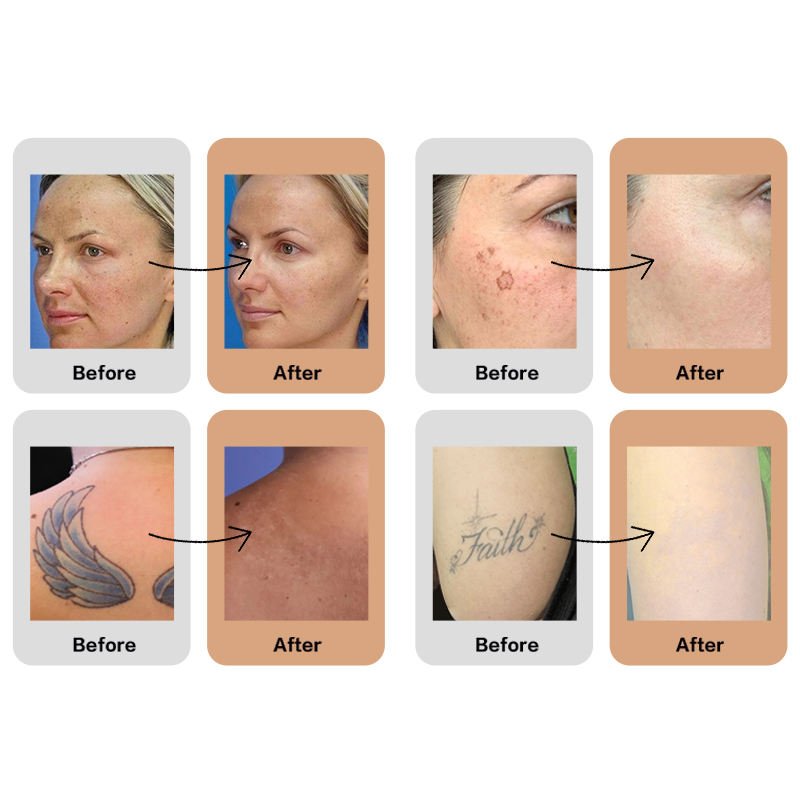
Melasma is one of the most challenging pigmentary disorders to manage in aesthetic and dermatological practice. Characterized by symmetrical hyperpigmented patches, particularly on sun-exposed areas, it significantly affects patients’ quality of life. While topical agents and oral medications remain the foundation of treatment, energy-based devices—lasers, light-based therapies, and radiofrequency—play an increasingly important role.
This article reviews the seven major energy-based technologies used in melasma treatment, summarizing their mechanisms, clinical applications, and recommended approaches.
1. Q-Switched Nd:YAG Laser (1064nm)
- Mecanism: Delivers low-energy, large-spot beams to fragment melanin granules without significant epidermal damage.
- Clinical use: Typically performed in multiple passes; endpoint is mild erythema resolving within hours.
- Pro: Quick visible improvement (1–2 sessions).
- Contra: Short-lived results; recurrence often within 1–3 months; excessive sessions risk mottled hypopigmentation or rebound hyperpigmentation.
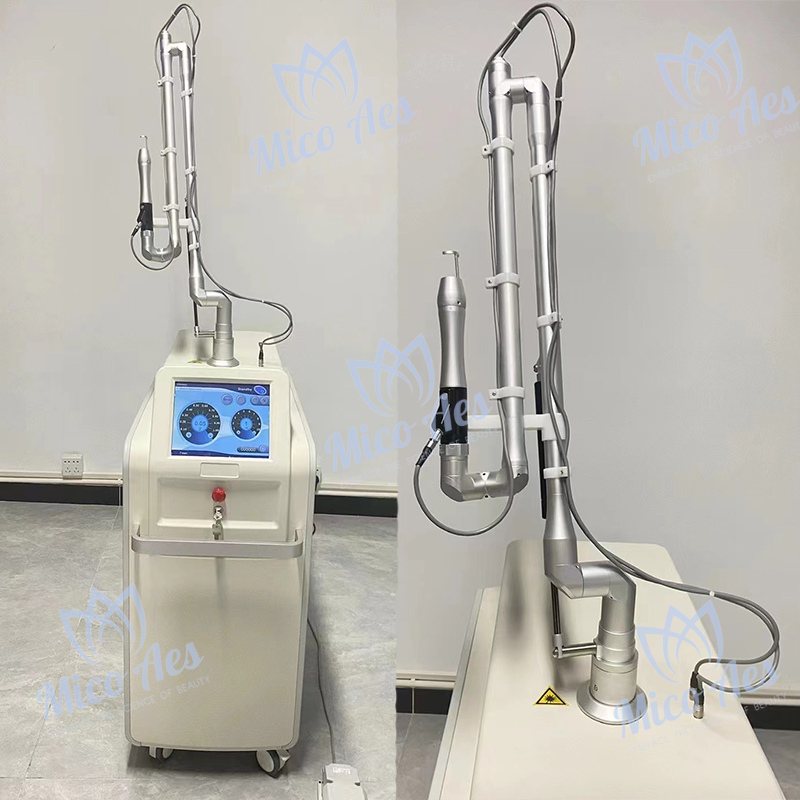
2. Laser Picosecund
- Mecanism: Ultra-short pulse duration creates a photoacoustic effect that shatters melanin more gently than nanosecond lasers.
- Clinical use: Parameters must remain conservative; sessions spaced adequately.
- Pro: High efficacy, lower adverse event rate, favorable safety profile.
3. Intense Pulsed Light (IPL, 500–1200nm)
- Mecanism: Broad-spectrum light targets both pigmentation and vascular components.
- Clinical use: Energy kept conservative, with adequate cooling and 3–4 week intervals.
- Pro: Useful adjunct therapy; improves overall skin tone.
- Considerations: Different devices vary greatly in parameters; personalization is essential.
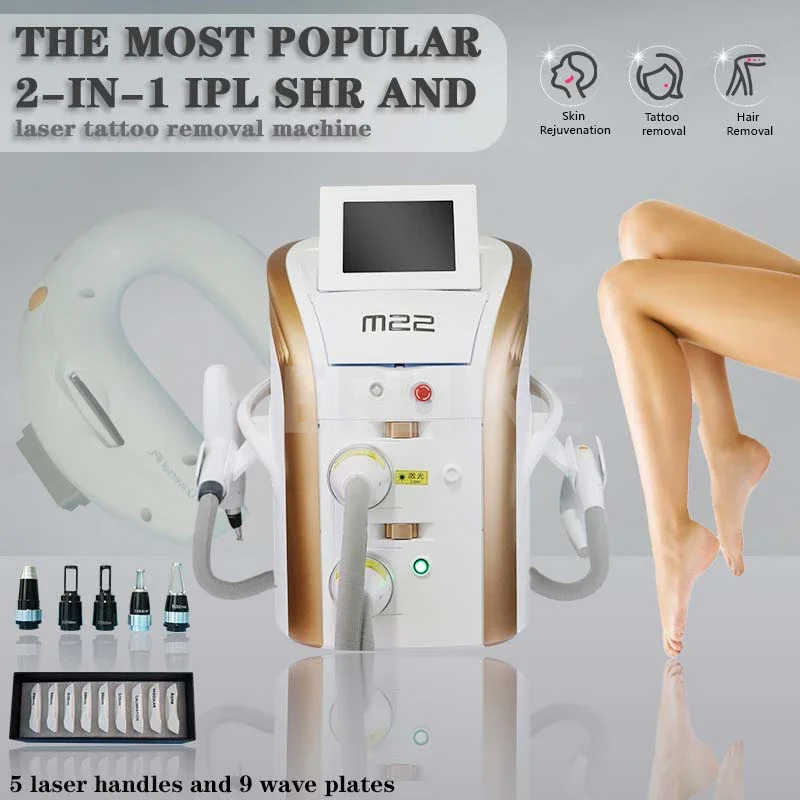
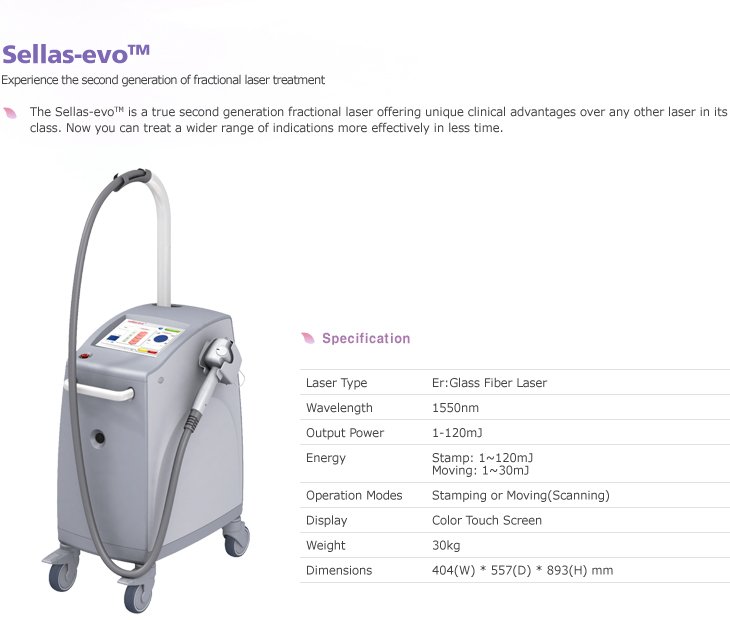
4. Non-Ablative Fractional Laser (1550nm)
- Mecanism: Creates microscopic thermal zones without removing epidermis, stimulating dermal remodeling.
- Clinical use: Low density and conservative settings to avoid melanocyte stimulation.
- Role: Supportive treatment in stable melasma cases, particularly for skin texture improvement.
5. Pulsed Dye Laser (PDL)
- Mecanism: Sub-purpuric doses target abnormal vascular components and reduce inflammation.
- Clinical value: Particularly effective in melasma cases with vascular involvement.
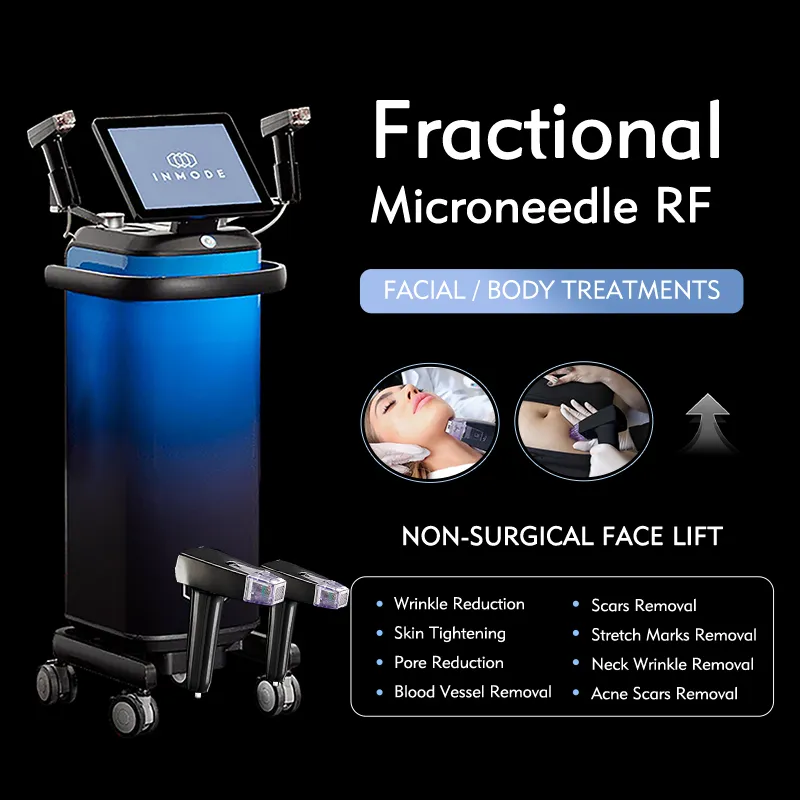
6. Fractional Microneedle Radiofrequency
- Mecanism: Radiofrequency delivered through microneedles repairs basement membrane damage and improves photodamage.
- Role: Emerging adjunctive therapy, often combined with laser or topical agents.
Clinical Recommendations
- First-line: Low-fluence, large-spot Q-Switched Nd:YAG laser—well-documented efficacy and safety when properly used.
- Alternatives/Adjuncts:
- Picosecond laser: High efficacy with fewer side effects.
- Ruby fractional laser & drug-assisted therapy: Effective for resistant cases.
- IPL: Complementary treatment for skin tone enhancement.
- Treatment strategy by stage:
- Active phase: Avoid aggressive devices; prioritize topical/systemic therapy.
- Stable phase: Laser-based therapies combined with oral tranexamic acid, topical depigmenting agents, or microneedle RF.
Goal: Achieve pigment reduction, shrink lesion size, improve skin quality, and minimize recurrence—always balancing efficacy with risk reduction.
Concluzie
Melasma remains a complex, multifactorial condition. Energy-based devices offer significant benefits, but require cautious, personalized use. A combination of conservative laser parameters, supportive therapies, and patient education provides the best long-term outcomes.