
I. Введение
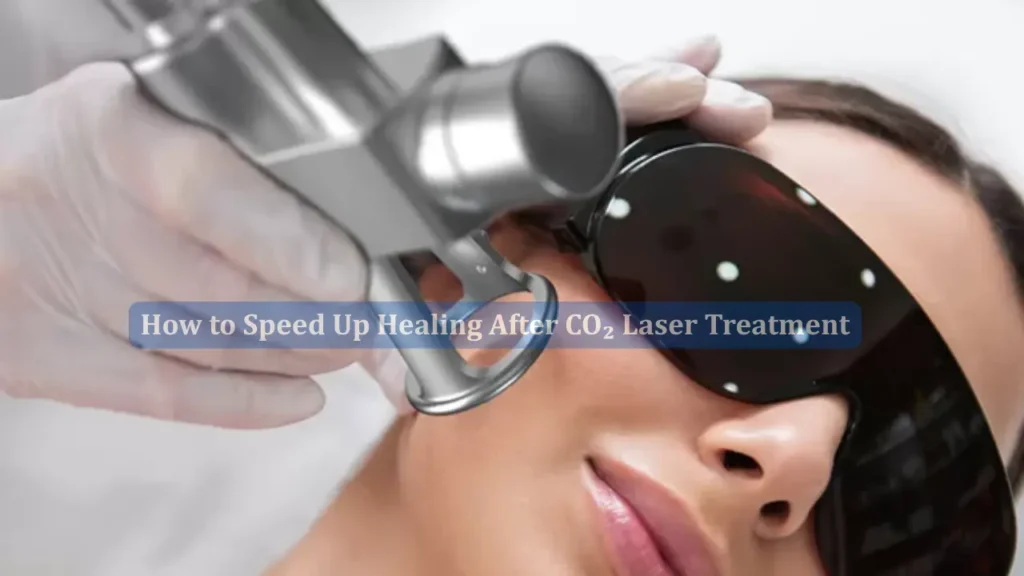
CO₂ laser resurfacing is a gold-standard skin rejuvenation treatment that uses concentrated carbon dioxide laser energy to precisely remove damaged skin layers and stimulate collagen regeneration. Depending on the treatment approach, it can be performed as fully ablative CO₂ laser, which removes the entire surface layer of skin in the treated area, or fractional CO₂ laser, which creates microscopic thermal zones while leaving surrounding tissue intact to promote faster healing. Both methods are highly effective for improving wrinkles, acne scars, texture irregularities, and photodamage—but they also create a controlled skin injury that requires proper recovery management.
Proper aftercare is critical ведь скорость и качество заживления напрямую влияют на конечный результат. Неадекватный уход после лечения может продлить время восстановления, усилить дискомфорт и повысить риск осложнений, таких как инфекция, длительное покраснение, рубцевание или поствоспалительная гиперпигментация (ПВГ). И наоборот, хорошо структурированный режим последующего ухода поддерживает быструю реэпителизацию, уменьшает воспаление, защищает кожный барьер и максимизирует ремоделирование коллагена, что приводит к более гладкой коже и более предсказуемым результатам.
В этом руководстве читатели узнают практические, научно обоснованные стратегии ускорения заживления после лечения CO₂-лазером. Это включает в себя понимание нормального графика заживления, того, что делать на каждом этапе восстановления, какие ингредиенты по уходу за кожей помогают или вредят восстановлению, образ жизни и меры защиты от солнца, которые наиболее важны, а также распространенные ошибки, которые могут задержать результаты. Независимо от того, являетесь ли вы пациентом, готовящимся к лечению, или сотрудником клиники, обучающим клиентов, это руководство предоставляет четкую дорожную карту для более безопасного, быстрого и эффективного лечения после CO₂-лазера.
I. Как CO₂-лазер влияет на кожу
CO₂-лазерная шлифовка работает, обеспечивая точно контролируемая тепловая энергия в кожу, создавая преднамеренную травму, которая запускает естественную реакцию организма на заживление ран. Понимание того, как работает этот процесс, помогает объяснить как видимое время простоя, так и последующие долгосрочные улучшения кожи.
Зоны контролируемого термического повреждения и микрообработки (МТЗ)
При лечении фракционным лазером CO₂ лазер создает тысячи зоны микрообработки (МТЗ)— микроскопические столбики термического повреждения, проникающие в эпидермис и распространяющиеся в дерму. Каждая МТЗ окружена необработанной тканью, которая действует как резервуар здоровых клеток, которые быстро мигрируют для восстановления поврежденных участков.
При полностью абляционном лечении CO₂ лазер удаляет весь эпидермальный слой в обрабатываемой области, создавая более обширное контролируемое повреждение. Хотя этот подход обеспечивает впечатляющие результаты шлифовки поверхности, он также требует более длительного периода заживления из-за большей площади поверхности.
В обоих случаях ключевым принципом является точность: энергия лазера тщательно калибруется, чтобы повредить только целевую ткань, сохраняя при этом окружающие структуры, необходимые для заживления.
Воспалительная реакция и ремоделирование коллагена
Как только лазерная энергия доставляется, кожа входит в острая воспалительная фаза. Кровеносные сосуды расширяются, иммунные клетки активируются, и факторы роста высвобождаются, чтобы начать восстановление тканей. Эта фаза отвечает за покраснение, отек и повышение температуры, которые обычно наблюдаются сразу после лечения.
По мере заживления фибробласты стимулируются к выработке новые волокна коллагена и эластина, что приводит к постепенному улучшению текстуры, упругости и тона кожи. Эта фаза ремоделирования продолжается в течение нескольких недель или месяцев после того, как поверхность кожи выглядит зажившей, поэтому результаты CO₂-лазера со временем улучшаются.
Почему время простоя зависит от энергии, плотности и глубины лечения
Время простоя после шлифовки лазером CO₂ не одинаково для каждого пациента или процедуры. На него в первую очередь влияют три технических фактора:
- Уровень энергии: Более высокие настройки энергии создают более глубокую термическую травму, что приводит к более длительному покраснению, отеку и времени восстановления.
- Плотность обработки: Более высокая плотность означает больше MTZ на квадратный сантиметр, увеличивая общее повреждение тканей и продлевая заживление.
- Глубина лечения: Более глубокое проникновение в дерму улучшает коррекцию глубоких морщин и рубцов, но требует больше времени для реэпителизации и восстановления коллагена.
Индивидуальные факторы, такие как тип кожи, возраст, общее состояние здоровья и соблюдение протоколов последующего ухода, также влияют на скорость восстановления. Понимание этих переменных помогает установить реалистичные ожидания и подчеркивает, почему правильный уход после лечения необходим для более быстрого и безопасного выздоровления.
III. Хронология лечения лазером CO₂ (чего ожидать)
Healing after CO₂ laser resurfacing follows a predictable biological sequence, although the exact pace varies depending on treatment intensity, skin type, and aftercare quality. Below is a general timeline to help set realistic expectations.


Day 0–2: Redness, Swelling, and Oozing
Immediately after treatment, the skin enters the острая воспалительная фаза. Common reactions include intense redness, swelling, warmth, and a sunburn-like sensation. With deeper or fully ablative treatments, mild oozing or pinpoint bleeding may occur.
During this stage, the skin barrier is compromised, making infection prevention and moisture retention critical. Occlusive healing ointments, gentle cleansing, and swelling control measures are essential to support early repair and minimize discomfort.
Day 3–7: Crusting, Peeling, and Re-epithelialization
As inflammation subsides, micro-crusts form over treated areas, particularly after fractional CO₂ laser. These crusts represent coagulated tissue within each micro-treatment zone. Peeling typically begins as new epidermal cells migrate from surrounding healthy skin.
This phase marks active re-epithelialization, когда поверхность кожи восстанавливается. Выщипывание или преждевременное отшелушивание в этот период может нарушить заживление, продлить покраснение и увеличить риск поствоспалительной гиперпигментации (ПВГ).
Неделя 2–4: остаточное покраснение и укрепление кожи.
Ко второй-четвертой неделе поверхность кожи обычно заживает, но остаточная эритема может сохраняться, особенно у людей с более светлой или чувствительной кожей. Новый эпидермис тоньше и более уязвим, чем нормальная кожа.
На этом этапе акцент смещается на укрепление барьера, контроль покраснений и строгая защита от солнца. Нежное увлажнение, успокаивающие ингредиенты и минеральный солнцезащитный крем необходимы для предотвращения пигментных изменений и поддержания дальнейшего восстановления.
Месяц 1–3: регенерация коллагена и улучшение текстуры.
Хотя на первый взгляд кожа может выглядеть зажившей, Ремоделирование коллагена продолжается под кожей в течение нескольких месяцев.. Активность фибробластов увеличивает плотность кожи, что приводит к постепенному улучшению текстуры, упругости, уменьшению тонких линий и шрамов от прыщей.
Результаты со временем становятся более заметными, при этом оптимальные результаты обычно наблюдаются между три -шесть месяцев после лечения. Последовательный уход за кожей и избегание солнца на этом этапе помогают сохранить результаты и снизить риск отсроченных осложнений.
Понимание этой временной шкалы еще раз подтверждает, почему так важны терпение и надлежащий последующий уход. Поддержка каждого этапа заживления позволяет коже эффективно восстанавливаться, одновременно максимизируя долгосрочные преимущества шлифовки CO₂-лазером.
IV. Первые 72 часа: критическая фаза исцеления
The first 72 hours after CO₂ laser resurfacing represent the most important window for influencing healing speed and complication risk. During this period, the skin barrier is severely compromised, and all aftercare decisions should prioritize protection, hydration, and inflammation control.
Cleansing: Dos and Don’ts
Do:
- Cleanse only if instructed by your provider, typically 12–24 hours post-treatment.
- Использовать sterile saline or a very gentle, non-foaming, fragrance-free cleanser.
- Cleanse with clean hands using light pressure; pat dry with sterile gauze or a soft, lint-free towel.
- Cleanse 1–2 times daily to reduce microbial load without disrupting healing tissue.
Don’t:
- Do not scrub, exfoliate, or use cleansing brushes.
- Avoid hot water; use cool to lukewarm temperatures only.
- Do not use products containing alcohol, acids, retinoids, or fragrance.
- Avoid over-cleansing, which can delay re-epithelialization.
Occlusive Healing Ointments and Moisture Balance
Maintaining a continuously moist wound environment is essential for faster epidermal repair.
- Apply a thick layer of occlusive healing ointment (e.g., petrolatum-based or medical post-laser balm) multiple times per day.
- The skin should never feel dry, tight, or cracked during this phase.
- Occlusives reduce transepidermal water loss (TEWL), protect nerve endings, and accelerate keratinocyte migration.
- Avoid lightweight lotions or gels at this stage—they are usually insufficient for barrier protection.
Правильный баланс влаги значительно уменьшает образование струпьев, дискомфорт и длительное покраснение.
Контроль отеков: холодные компрессы и возвышение
Постлазерный отек является нормальной воспалительной реакцией, но его следует активно лечить.
- Применять холодные сжатия по 10–15 минут несколько раз в день.
- Всегда кладите чистую ткань между пакетами со льдом и кожей, чтобы предотвратить ожоги от холода.
- Спи с голова поднята использование дополнительных подушек в первые 2–3 ночи.
- Избегайте наклонов и действий, которые повышают кровяное давление на лице.
Эффективный контроль отека повышает комфорт и может сократить видимое время простоя.
Действия и воздействия, которых следует избегать
В течение первых 72 часов избегайте всего, что увеличивает тепло, трение или загрязнение:
- Никаких физических упражнений, саун, паровых бань и горячего душа.
- Никакого пребывания на солнце или активного отдыха без полной защиты.
- Никакого алкоголя и острой пищи (может усугубить приливы).
- Никакой косметики и косметических средств
- Нельзя трогать, тереть или ковырять кожу.
Строгое соблюдение на этом раннем этапе закладывает основу для более быстрое заживление, меньше осложнений и лучшие конечные результаты.
V. Дни 3–7: Ускорение реэпителизации
Между 3 и 7 днями после шлифовки лазером CO₂ кожа переходит в фаза активной реэпителизации. В этот период новые эпидермальные клетки быстро мигрируют, возвращаясь на поверхность кожи. Правильный уход на этом этапе может значительно сократить время восстановления и снизить риск образования пигментации или рубцов.
Безопасное удаление шелушения и микрокорочек
Peeling and micro-crusting are expected signs of effective laser treatment, particularly after fractional CO₂ laser.
- Allow crusts and peeling skin to shed naturally.
- Keep the skin continuously moisturized to soften crusts and prevent cracking.
- Cleanse gently once or twice daily to remove debris without disturbing healing tissue.
- If itching occurs, increase moisture rather than scratching.
Do not pick, rub, or manually exfoliate, as this can disrupt new epidermal cells, prolong redness, and increase the risk of post-inflammatory hyperpigmentation (PIH).
Barrier-Repair Ingredients That Support Faster Recovery
Once oozing has stopped and early crusts have formed, the focus should shift from heavy occlusion to barrier repair and hydration.
Beneficial ingredients during this phase include:
- Керамиды – восстанавливают липидный барьер и уменьшают трансэпидермальную потерю воды
- Пантенол (витамин B5) - успокаивает воспаление и способствует восстановлению тканей
- Бета-глюкан - улучшает заживление ран и уменьшает раздражение
- Гиалуроновая кислота – улучшает увлажнение и комфорт кожи
- Аллантоин – способствует успокаиванию и регенерации эпителия
Формулы не должны содержать отдушек, спирта и предназначены для кожи после процедур.
Постлазерные продукты, отпускаемые по рецепту и без рецепта
В зависимости от интенсивности лечения и факторов риска пациента врачи могут рекомендовать:
Рецептурные продукты
- Местные антибиотики для снижения риска заражения (только краткосрочное применение)
- Мягкие местные кортикостероиды для контроля чрезмерного воспаления.
- Противовирусные препараты для пациентов с историей простого герпеса
Продукты, отпускаемые без рецепта
- Медицинские лечебные бальзамы или кремы после процедур.
- Нежные увлажняющие средства, разработанные для проблемной кожи.
- Солнцезащитный крем на минеральной основе (вводится только после заживления поверхности кожи)
Препараты, отпускаемые по рецепту, следует использовать только по указанию, поскольку чрезмерное употребление, особенно стероидов, может замедлить заживление или истончить кожу.
Распространенные ошибки, которые задерживают исцеление
Следующие действия часто затягивают выздоровление или вызывают осложнения:
- Снятие или преждевременное удаление корок
- Слишком раннее введение активных ингредиентов (ретиноиды, кислоты, витамин С)
- Частое переключение продуктов во время заживления.
- Недостаточное увлажнение, приводящее к растрескиванию или образованию струпьев.
- Воздействие солнца без надлежащей защиты
- Использование окклюзивов слишком долго без перехода к барьерному восстановлению.
Avoiding these mistakes during days 3–7 helps ensure smooth re-epithelialization and sets the stage for optimal long-term results.
VI. Weeks 2–4: Reducing Redness & Preventing Pigmentation
By weeks 2 to 4 after CO₂ laser resurfacing, the epidermis is largely restored, but the skin remains immature, vascular, and highly reactive. This phase is critical for controlling persistent redness and preventing post-inflammatory hyperpigmentation (PIH), especially in medium to darker skin tones.
When to Reintroduce Skincare Products
Skincare should be reintroduced gradually and strategically, based on skin tolerance and provider guidance.
- Continue using a gentle cleanser and barrier-repair moisturizer as the foundation.
- Once peeling has fully resolved, mild hydrating serums can be added.
- Introduce low-strength, non-irritating actives only if the skin shows no signs of sensitivity.
- Avoid aggressive treatments or exfoliation until redness has significantly subsided.
A “less is more” approach during this stage reduces the risk of rebound inflammation.
Calming Ingredients for Erythema Control
Persistent redness is common during weeks 2–4 and reflects increased vascular activity in healing skin. The following ingredients can help calm erythema and strengthen the barrier:
- Niacinamide (≤5%) – improves barrier function and reduces redness
- Centella asiatica – supports wound healing and soothes inflammation
- Madecassoside – calms reactive skin and supports collagen repair
- Аллантоин – reduces irritation and promotes comfort
- Green tea extract – provides anti-inflammatory and antioxidant support
Avoid high concentrations or layered actives, which can worsen flushing.
Why Sun Protection Is Essential During This Stage
Newly healed skin is extremely photosensitive and prone to pigment disruption.
- Use a broad-spectrum SPF 50+, preferably mineral-based (zinc oxide or titanium dioxide).
- Apply sunscreen daily, even indoors, and reapply every 2–3 hours with sun exposure.
- Wear wide-brim hats and seek shade whenever possible.
- Avoid intentional sun exposure for at least 4 weeks post-treatment.
Inadequate sun protection is the leading cause of PIH after CO₂ laser, even when the procedure itself is performed correctly.
Early Signs of Post-Inflammatory Hyperpigmentation (PIH)
Early detection of PIH allows for prompt intervention.
Watch for:
- Patchy brown or gray discoloration developing after redness subsides
- Uneven darkening in treated areas
- Pigment changes that worsen with sun exposure
If any of these signs appear, patients should contact their provider promptly. Early treatment with targeted pigment-control strategies can significantly improve outcomes.
Proper management during weeks 2–4 helps stabilize skin tone, reduce visible redness, and protect the long-term results of CO₂ laser resurfacing.
VII. Best Skincare Ingredients to Speed Healing After CO₂ Laser
Selecting the right skincare ingredients after CO₂ laser resurfacing can significantly accelerate healing while reducing discomfort and complication risk. During recovery, the focus should be on barrier protection, hydration, and inflammation control, not aggressive correction.
Occlusives: Locking in Moisture and Protecting the Barrier
Occlusives are essential in the early healing stages because they form a protective layer over compromised skin.
Commonly recommended occlusives include:
- Petrolatum – the gold standard for preventing transepidermal water loss (TEWL)
- Medical-grade healing balms – often formulated specifically for post-procedure skin
- Dimethicone-based ointments – provide barrier protection with a lighter feel
Occlusives are most important during the first 3–7 days, when maintaining a moist wound environment supports faster re-epithelialization.
Humectants: Rehydrating Healing Skin
Humectants attract and bind water within the skin, improving comfort and elasticity as healing progresses.
Effective humectants include:
- Гиалуроновая кислота – supports hydration and reduces tightness
- Glycerin – enhances water retention and skin flexibility
- Sodium PCA – helps maintain natural moisture balance
Humectants are best introduced after the skin surface has closed, and they should always be paired with a moisturizer to prevent dehydration.
Barrier Repair Agents: Strengthening Newly Healed Skin
Once initial healing is underway, barrier repair agents help restore the skin’s lipid structure and reduce sensitivity.
Key barrier-supporting ingredients:
- Керамиды – rebuild the skin’s protective lipid matrix
- Пантенол (витамин B5) – calms inflammation and promotes tissue repair
- Cholesterol and fatty acids – support barrier integrity
- Бета-глюкан – enhances wound healing and soothes irritation
These ingredients are especially important from days 3–14 после лечения.
Ингредиенты, которых следует избегать во время выздоровления
Некоторые ингредиенты для ухода за кожей могут нарушить заживление или вызвать воспаление, если их использовать слишком рано.
Во время восстановления избегайте:
- Ретиноиды (ретинол, третиноин)
- Отшелушивающие кислоты (AHA, BHA, PHA)
- Витамин С (L-аскорбиновая кислота) на ранних стадиях
- Ароматизаторы и эфирные масла
- Продукты на основе спирта
- Физические скрабы или очищающие щетки
Эти ингредиенты следует вводить постепенно и под профессиональным руководством только после полной стабилизации состояния кожи.
Использование правильных ингредиентов на соответствующем этапе выздоровления является одним из наиболее эффективных способов ускорить заживление, минимизировать время простоя и защитить долгосрочные результаты лечения CO₂-лазером.
VIII. Образ жизни & Советы по питанию для более быстрого выздоровления
На восстановление кожи после шлифовки лазером CO₂ не влияет только местный уход. Lifestyle habits and nutritional status play a direct role in wound healing, inflammation control, and collagen synthesis. Optimizing these factors can noticeably shorten recovery time and improve final results.
Hydration and Protein Intake
Adequate hydration is essential for cellular repair and nutrient transport.
- Aim for 2–3 liters of water per day, unless otherwise advised by a healthcare provider.
- Proper hydration supports circulation, reduces inflammation, and helps maintain skin elasticity during healing.
Protein intake is equally important, as protein provides the building blocks for tissue repair.
- Include high-quality protein sources such as lean meats, fish, eggs, legumes, and dairy.
- Protein supports keratinocyte regeneration and collagen production, both critical after laser-induced injury.
- Inadequate protein intake can slow re-epithelialization and prolong redness.
Vitamins and Minerals That Support Skin Repair
Several micronutrients are directly involved in skin healing processes:
- Витамин c – essential for collagen synthesis and antioxidant protection (introduced orally first; topical use should wait until skin tolerance allows)
- Vitamin A – supports epithelial regeneration and immune function
- Zinc – plays a key role in wound healing and inflammation control
- Copper – involved in collagen cross-linking and skin strength
- Iron – supports oxygen delivery to healing tissues
These nutrients should ideally come from a balanced diet. Supplements should only be used when necessary and under professional guidance.
Smoking, Alcohol, and Inflammation Risk
Certain lifestyle habits significantly impair healing after CO₂ laser treatment.
- Smoking reduces blood flow, impairs oxygen delivery, and delays collagen synthesis. It is one of the strongest predictors of prolonged healing and poor outcomes.
- Alcohol increases vasodilation and inflammation, which can worsen redness, swelling, and irritation.
- Both smoking and alcohol increase the risk of delayed healing, infection, and pigment complications.
For optimal recovery, patients should avoid smoking and alcohol for at least 1–2 weeks before and after treatment, with longer avoidance recommended for deeper or ablative procedures.
Supporting the body internally through proper hydration, nutrition, and lifestyle choices enhances the skin’s natural healing capacity and complements topical aftercare for faster, safer recovery.
IX. Sun Protection: The #1 Factor That Affects Healing Speed
Sun protection is the single most important factor influencing healing speed and long-term outcomes after CO₂ laser resurfacing. Even brief, unprotected exposure can trigger inflammation, delay recovery, and cause permanent pigment changes in newly healed skin.
Why Post-CO₂ Skin Is Photosensitive
CO₂ laser treatment removes or disrupts the epidermal barrier and stimulates new skin formation. During healing:
- Melanocytes are highly reactive and easily overstimulated by UV radiation.
- The new epidermis is thinner and lacks full protective melanin distribution.
- UV exposure increases inflammation and interferes with collagen remodeling.
As a result, post-CO₂ skin is extremely vulnerable to sunburn, prolonged redness, and post-inflammatory hyperpigmentation (PIH), even in individuals who rarely burn.
Mineral vs Chemical Sunscreens
Choosing the correct sunscreen formulation is critical during recovery.
Mineral (physical) sunscreens
- Use zinc oxide and/or titanium dioxide
- Reflect and scatter UV radiation rather than absorbing it
- Less likely to irritate compromised or healing skin
- Preferred during the first 4–6 weeks post-treatment
Chemical sunscreens
- Absorb UV radiation and convert it to heat
- More likely to cause stinging or irritation on post-laser skin
- Best avoided until the skin barrier has fully normalized
For most patients, broad-spectrum SPF 50+ mineral sunscreen is the safest and most effective option during healing.
Protective Behaviors Beyond SPF
Sunscreen alone is not sufficient during post-CO₂ recovery.
Additional protective measures include:
- Wearing wide-brim hats and UV-protective clothing
- Avoiding direct sun exposure, especially between peak UV hours
- Seeking shade whenever possible
- Reapplying sunscreen every 2–3 hours when outdoors
- Using physical barriers (umbrellas, visors) in high-exposure environments
Strict sun avoidance and protection should be maintained for минимум 4 недели, and longer for deeper or fully ablative CO₂ treatments.
XI. When a CO₂ Laser Provider Should Intervene
(Professional Assessment & Escalation Criteria)
From a CO₂ laser provider’s perspective, post-treatment monitoring is essential to distinguish expected inflammatory responses from early signs of complications. Timely professional intervention protects patient safety, treatment outcomes, and medicolegal risk.
1. Indicators of Infection or Delayed Wound Healing
Provider action is required when observed clinical findings deviate from the expected healing trajectory.
Key red flags include:
- Progressive erythema or edema after post-op day 3–4
- Purulent or malodorous exudate
- Persistent oozing beyond 72 hours
- Delayed re-epithelialization relative to treatment depth and density
- Systemic symptoms (fever, malaise)
Provider considerations:
- Rule out bacterial infection vs HSV reactivation
- Review laser parameters (energy, density, stacking)
- Initiate or adjust topical/systemic antimicrobial therapy as indicated
- Reinforce occlusive and cleansing protocols
2. Excessive Pain, Edema, or Abnormal Inflammatory Response
While post-laser discomfort is expected, worsening pain or asymmetric swelling is not.
Clinical triggers for provider review:
- Escalating pain beyond day 2–3
- Disproportionate edema in periorbital or perioral regions
- Localized warmth or induration suggestive of inflammatory overload
- Continued serous discharge inconsistent with procedural depth
Provider considerations:
- Assess for excessive thermal injury or stacking overlap
- Evaluate patient compliance with heat-avoidance instructions
- Consider short-course anti-inflammatory intervention if appropriate
3. Pigmentary Alterations & Prolonged Erythema
(Critical Monitoring Domain for CO₂ Laser Operators)
Pigment dysregulation is one of the most common delayed complications following CO₂ laser resurfacing.
Professional review is warranted when:
- Brown, gray, or uneven pigmentation appears during erythema resolution
- Erythema persists beyond 4–6 недель without downward trend
- Pigment changes are localized to high-density or high-energy treatment zones
Provider considerations:
- Identify early post-inflammatory hyperpigmentation (PIH)
- Correlate findings with Fitzpatrick skin type and sun exposure history
- Initiate early pigment-control strategies (topical, procedural, or protocol-based)
- Reinforce strict photoprotection compliance
4. Why Provider-Led Follow-Up Is Essential
CO₂ laser outcomes are influenced not only by device performance but by post-treatment clinical management. Providers must actively monitor healing progression, educate patients on risk indicators, and intervene early when recovery deviates from protocol.
From a professional standpoint, early assessment prevents escalation, reduces adverse events, and preserves long-term treatment efficacy.
XII. Frequently Asked Questions (FAQs)
How long does CO₂ laser healing take?
From a provider standpoint, healing after CO₂ laser resurfacing occurs in distinct clinical phases rather than a single endpoint.
- Fractional CO₂ laser:
- Re-epithelialization: ~5–10 days
- Residual erythema: 2–4 weeks
- Collagen remodeling: 3–6 months
- Fully ablative CO₂ laser:
- Re-epithelialization: ~10–14 days
- Residual erythema: 4–8 weeks (or longer)
- Collagen remodeling: 6–12 months
Actual timelines vary based on energy, density, treatment depth, patient skin type, and post-care compliance. Providers should set expectations accordingly during consultation.
Can healing be sped up safely?
Yes—but only within biological and clinical limits.
From a professional perspective, healing can be optimized by:
- Maintaining a moist wound environment in early phases
- Enforcing strict photoprotection
- Using barrier-repair–focused skincare rather than aggressive actives
- Controlling inflammation without suppressing normal healing
Attempts to “rush” healing using early exfoliation, strong actives, or unapproved devices often delay recovery and increase complication risk. Safe acceleration is achieved through protocol adherence, not shortcuts.
When can I return to work or social activities?
Return-to-activity guidance should be procedure-specific and patient-specific.
General clinical guidance:
- Fractional CO₂: 5–7 days for non-public-facing work; 7–14 days for social engagements
- Fully ablative CO₂: 10–14 days for limited activities; 2–3+ weeks for social or professional visibility
Residual redness may persist even after epidermal closure. Providers should counsel patients that visual recovery and biological recovery are not the same.
Does fractional CO₂ heal faster than fully ablative CO₂?
Yes. From a laser operator’s perspective, fractional CO₂ consistently heals faster due to preservation of untreated tissue between micro-treatment zones.
Ключевые отличия:
- Fractional CO₂ allows faster keratinocyte migration and reduced infection risk
- Fully ablative CO₂ delivers more dramatic resurfacing but with longer downtime
- Fractional protocols offer greater flexibility in balancing results vs recovery time
The choice between fractional and fully ablative CO₂ should be based on indication severity, patient downtime tolerance, and risk profile, rather than speed alone.
XIII. Conclusion
From the standpoint of Мико Аес, effective recovery after CO₂ laser resurfacing is the result of precise technology combined with disciplined post-treatment management. While advanced laser engineering determines treatment accuracy and safety, the quality of healing ultimately depends on how well recovery principles are followed.
Summary of Key Recovery Principles
Across all CO₂ laser protocols—fractional or fully ablative—the fundamentals of optimal healing remain consistent:
- Controlled inflammation is necessary, but excessive inflammation must be avoided
- Continuous moisture and barrier protection accelerate re-epithelialization
- Gradual, stage-appropriate skincare prevents secondary injury
- Strict sun protection is essential to prevent pigment complications
- Lifestyle factors and patient compliance directly influence outcomes
When these principles are respected, healing is more predictable, downtime is reduced, and complication rates remain low.
Importance of Following Provider-Specific Protocols
As a CO₂ laser manufacturer, Mico Aes emphasizes that post-treatment care must always align with the specific laser parameters and clinical protocol used. Energy level, density, pulse duration, and treatment depth all influence recovery dynamics.
Standardized aftercare routines may not be appropriate for every treatment configuration. For this reason, provider-directed protocols—based on device settings and patient skin type—should always take precedence over generic advice. Consistent provider follow-up and patient education are integral parts of responsible CO₂ laser practice.
Long-Term Benefits of Proper Healing
From a manufacturer’s perspective, the true value of CO₂ laser resurfacing is realized months after treatment, not days. Proper healing supports:
- Sustained collagen regeneration and dermal remodeling
- Improved skin texture, tone, and structural integrity
- Reduced risk of long-term pigmentation or scarring
- Higher patient satisfaction and long-lasting clinical results
When recovery is managed correctly, CO₂ laser technology delivers progressive, durable skin rejuvenation that reflects the full capability of the system.
В Мико Аес, we design CO₂ laser platforms with precision, safety, and clinical flexibility in mind. By pairing advanced device performance with professional operation and structured aftercare, providers can achieve consistent outcomes and maximize the long-term benefits of CO₂ laser resurfacing for their patients.