

Non-Invasive Deep Muscle Activation for Professional Body Contouring
1. Introduction: What Is Electromagnetic Muscle Stimulation Technology?
Electromagnetic Muscle Stimulation (EMS) technology is a non-invasive, energy-based method designed to activate skeletal muscle tissue through controlled electromagnetic fields. Unlike voluntary exercise or surface electrical stimulation, EMS directly induces muscle contractions by stimulating motor neurons beneath the skin.
In professional aesthetic and body contouring applications, EMS technology is used to enhance muscle tone, improve firmness, and support visible body shaping outcomes—without needles, incisions, or downtime.
This page explains the technical principles, physiological effects, and clinical logic behind electromagnetic muscle stimulation technology, providing a foundational reference for treatment protocols and integrated body contouring systems.
2. Scientific Principles Behind Electromagnetic Muscle Stimulation
2.1 Electromagnetic Field Generation
EMS systems generate time-varying electromagnetic fields through applicators positioned over the target treatment area. These magnetic fields pass through skin and subcutaneous fat with minimal resistance, enabling energy delivery to deeper neuromuscular structures.
Key characteristics include:
- Non-contact energy transmission
- Deep tissue penetration
- Uniform field distribution across muscle groups
This distinguishes EMS from surface electrical stimulation, which is limited by skin impedance.
2.2 Neuromuscular Signal Induction
As electromagnetic fields penetrate muscle tissue, they induce localized electric currents that depolarize motor neurons. This depolarization triggers action potentials, resulting in involuntary muscle contractions-
Because these contractions do not rely on voluntary neural input, EMS can activate muscle fibers that are typically difficult to engage through exercise alone.
3. How Electromagnetic Muscle Stimulation Activates Deep Muscle Fibers

One of the defining advantages of EMS technology is its ability to activate deep muscle fibers-
Key mechanisms include:
- Penetration through superficial tissue layers
- Activation of high-threshold motor units
- Simultaneous recruitment of superficial and deep muscle layers
In contrast to voluntary contractions, which are limited by central nervous system regulation, EMS induces contractions that reach deeper stabilizing muscles responsible for posture, core strength, and muscle density.
4. Supramaximal Muscle Contractions Explained
EMS technology induces what are known as การหดตัวของกล้ามเนื้อสูงสุด—contractions that exceed the intensity achievable through voluntary effort.
Why supramaximal contractions matter:
- They bypass central nervous system fatigue limits
- They recruit a higher percentage of available motor units
- They generate consistent, repeatable muscle workload
From a clinical perspective, supramaximal contractions are essential for achieving meaningful muscle toning and structural improvement in non-invasive treatments.
5. Physiological Effects of Electromagnetic Muscle Stimulation
5.1 Muscular Response
Repeated EMS-induced contractions lead to measurable neuromuscular adaptation, including:
- Increased muscle fiber recruitment efficiency
- Improved muscle firmness and density
- Enhanced neuromuscular coordination over treatment cycles
These adaptations contribute to visible improvements in muscle tone and body contour.
5.2 Metabolic Response
During EMS treatments, muscle tissue experiences elevated metabolic demand. This results in:
- Increased local energy consumption
- Enhanced blood circulation
- Secondary metabolic interaction with surrounding adipose tissue
These effects support EMS integration into broader body contouring strategies.
6. Treatment Parameters and Energy Control Logic
Professional EMS systems are designed around logic-based energy control, rather than fixed numeric parameters.
ข้อควรพิจารณาที่สำคัญ ได้แก่ :
- Progressive intensity modulation
- Controlled contraction–relaxation cycles
- Session duration based on fatigue thresholds
- Adequate recovery intervals between sessions
This approach ensures effective muscle stimulation while maintaining patient comfort and safety.
7. Clinical Applications of Electromagnetic Muscle Stimulation Technology

7.1 Abdominal and Core Muscle Activation
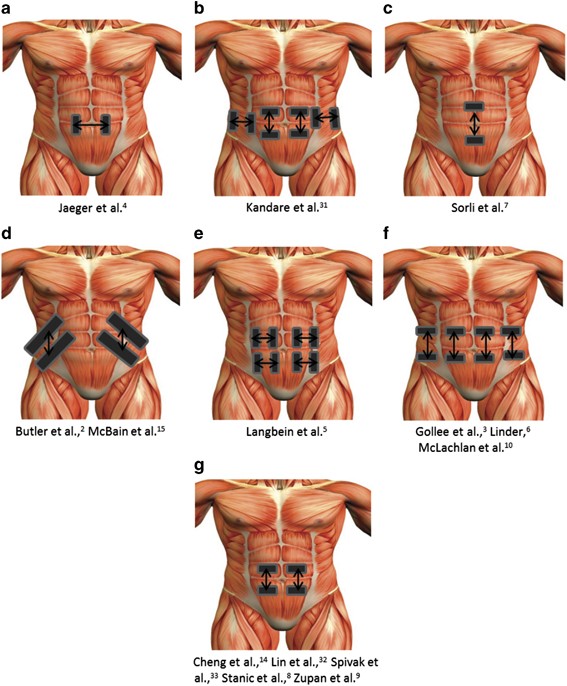
EMS is widely applied to the abdominal region to activate deep core muscles, supporting:
- Improved muscle firmness
- Enhanced waistline definition
- Core stability and posture support
7.2 Gluteal Muscle Stimulation
In gluteal treatments, EMS focuses on muscle lifting and shape enhancement through symmetrical, high-intensity contractions.
7.3 Thighs and Upper Limbs
EMS is also used in the thighs and upper arms to improve muscle tone, firmness, and overall contour in areas where exercise alone may be insufficient.
8. Integration with Other Body Contouring Technologies
Electromagnetic muscle stimulation technology is most effective when integrated into multi-modal body contouring systems-
Muscle activation increases local metabolic demand, making EMS highly compatible with complementary fat-reduction and tissue-tightening technologies.
In modern aesthetic practice, EMS technology is commonly incorporated into comprehensive body contouring solutions that combine muscle activation with fat reduction and tissue remodeling for balanced, system-based results.
9. Safety, Contraindications, and Best Practices
EMS is a non-invasive technology with a strong safety profile when used appropriately.
General safety principles:
- Gradual intensity escalation
- Continuous patient feedback
- Conservative initiation for new patients
Contraindications (high-level):
- Implanted electronic devices
- การตั้งครรภ์
- Certain acute medical conditions
Professional screening and operator training are essential components of safe EMS application.
10. Electromagnetic Muscle Stimulation as a Technology Platform
Beyond individual treatments, EMS should be viewed as a technology platform rather than a single function.
Its scalability allows application across:
- พื้นที่ร่างกายหลายแห่ง
- Different treatment goals
- Long-term body contouring programs
This flexibility positions EMS as a foundational muscle-activation technology in modern aesthetics.
11. Relationship Between EMS Technology and Treatment Protocols
While EMS technology provides the physiological mechanism, structured treatment protocols determine clinical outcomes.
To achieve consistent, safe, and repeatable results, electromagnetic muscle stimulation must be delivered within standardized body contouring treatment protocols that define treatment sequencing, recovery cycles, and clinical best practices.
12. Conclusion: EMS Technology as the Foundation of Modern Non-Invasive Muscle Toning
Electromagnetic muscle stimulation technology represents a major advancement in non-invasive muscle activation. Through deep tissue penetration, supramaximal contractions, and controlled neuromuscular stimulation, EMS overcomes the limitations of voluntary exercise and surface stimulation.
When combined with structured protocols and integrated body contouring systems, EMS serves as a cornerstone technology for professional muscle toning and body shaping applications.